2 hours ago
Latest Updates
Featured Posts
Get in Touch
Location:
123 Innovation Street
Tech District, CA 94105
123 Innovation Street
Tech District, CA 94105
Email:
[email protected]
[email protected]
Phone:
+1 (234) 567-890
+1 (234) 567-890
Flavorful Kebabs, Fragrant Biryani along with Much More: Indian City Gains Recognition on Unesco Gastronomy List.
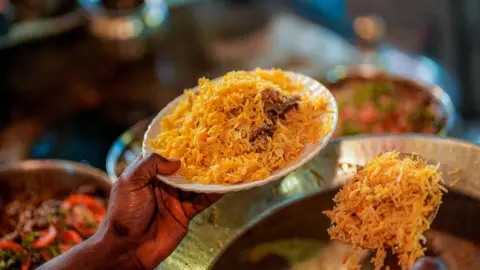
Tempting kebabs, aromatic biryani, and airy, cloud-like desserts.
The metropolis in India's north of Lucknow has long been a dream destination for epicures, with locals and travelers alike praising its remarkable cuisine.
A Global Honor
In a recent announcement, The United Nations Educational, Scientific and Cultural Organization recognised it as a City of Gastronomy within its Creative Cities Network – placing it on a select group of world cities and igniting hopes that it will showcase Lucknow's peerless food. With this designation, it enters a worldwide network of more than four hundred urban centers across more than 100 countries committed to promoting "artistic expression as a catalyst of development that sustains urban life".
The recognition "demonstrates its deep-rooted food heritage and lively gastronomic culture," according to a official from UNESCO's regional bureau for South Asia.
Lucknow is just the second Indian city – following Hyderabad, which was picked in 2019 – to secure a position in this prestigious list of 70 cities worldwide.
An Urban Center with a Culinary Soul
The recognition for this historic city arrives as little surprise to its locals or avid food lovers. Many echo the opinion that it is "an honor long overdue".
With the UNESCO designation, this beloved, chaotic, and vibrant city – the administrative center of India's biggest state – is now in the global gaze for what has consistently characterized its essence: an immense devotion for food.
"'The day's menu, the method of preparation' is a continued dialogue from morning until going to bed in many homes," notes a local cultural expert. "And you are truly evaluated by the standard of food that emerges from your kitchen."
A Royal Culinary Legacy
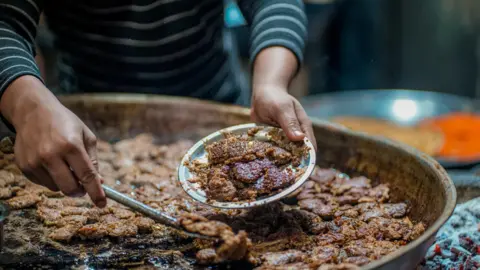
The City of the Nawabs – as it's widely known after its historic wealthy Muslim rulers – is famed for its tender kebabs and a unique take on biryani that were created, perfected, and elevated to extraordinary levels in their imperial kitchens.
These imperial kitchens were epicenters of culinary innovations, blending Iranian and indigenous Indian styles to create what became known as the food of Awadh.
It was during this time that Lucknow's iconic kebabs were fashioned. Legend has it that the galouti kebab was devised to cater to an ageing nawab who had no longer had his teeth. His culinary artists ground the meat with papaya, saffron, and spices and made it so silky that it required no chewing.
But perhaps the biggest contribution of the cooks of Awadh was the slow-cooking Dum pukht technique, where food is cooked on a gentle, leisurely heat, with the pot's lid securely sealed with a flour paste.
More Than Just Famous Dishes
Besides the famous kebabs and biryani, the culinary masters also created a collection of dishes that included kormas (creamy curries), sheermal (saffron-infused flatbread), and shahi tukda (a decadent bread pudding).
However, Lucknow is far more than kebabs and biryani – the region is also a vegetarian's paradise.
The local Baniya community's cuisine doesn't just celebrates fresh harvests but also provides the city its highly curated Indian desserts, sweets, and unique street food, like chaat – zesty fried snacks.
Iconic Stalls and Historic Shops
Nearly on countless corners, there are small establishments and carts – little-known delights that are wildly favored by the locals.
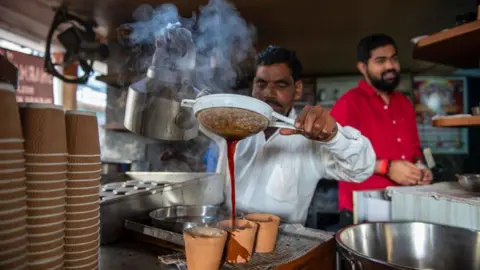
In the heart of the city of Hazratganj, throngs of people start assembling from the crack of dawn at a famous tea stall to get a steaming cup of spiced tea with milk, presented in kulhads, along with fluffy buns lathered with hand-churned white butter.
To start the day, one can head to a no-frills joint situated in the old city area of Aminabad. Nearly 150 years after it was established, the place is still highly popular for its hot kachoris (fried bread stuffed with lentils) and jalebis (crispy, syrup-soaked sweets).
Ensuring Legacy Continues
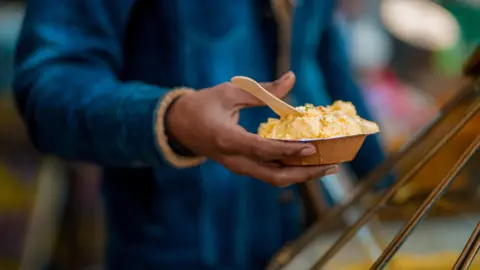
The city also presents unique treats of the season, such as makkhan malai, a cloud-like dessert found in the winter. The method of making it is scientific and demanding. The cook beats the milk and then exposes it at night, allowing the dew to give it its unique frothy texture.
On cold mornings, street vendors can be seen in old city areas like Aminabad and Chowk. A number of however say that their children are reluctant to learn the skill.
A renowned chef from Lucknow has frequently stated that the city's profound food legacy places it at the very pinnacle of the Indian street food experience. The true benefit from the UNESCO recognition, it is believed, will be realized only if Lucknow can now build recognition about its lesser-known eateries.
Every dish in Lucknow tells a story – shaped by generational food businesses, from humble street carts to lively restaurants, and guarded family recipes.
The global recognition, it is anticipated, will inspire more people globally to discover these tales and visit the city to delight in the food wonders of Lucknow.

William Campos
A wellness coach and writer passionate about holistic health and mindful living, sharing insights from over a decade of experience.

Sponsored News
News
The Spooky-Cute Puzzler Serves as the Excellent Replacement to Spooky Scares
William Campos
| 04 Oct 2026
News
The Animated Series' Creator Is Aware of Fans' Second Season Predictions — And She Has Positive Updates
William Campos
| 04 Oct 2026
News
Defense Department Report Finds Defense Secretary Put Military Personnel in Jeopardy with Messaging App Chat.
William Campos
| 04 Oct 2026
News
News
The Turin Giants Bring In Ex- Italian National Team Head Coach the Experienced Gaffer
William Campos
| 04 Oct 2026
News
Demon Slayer Economics: How the Japanese Animation Phenomenon Transformed Into a Box Office Saviour.
William Campos
| 03 Oct 2026